Search This Blog

Showing posts with label recipe. Show all posts

Saturday, 15 June 2013

Paula Wolfert's Fish Tagine, Funkyknuckles style

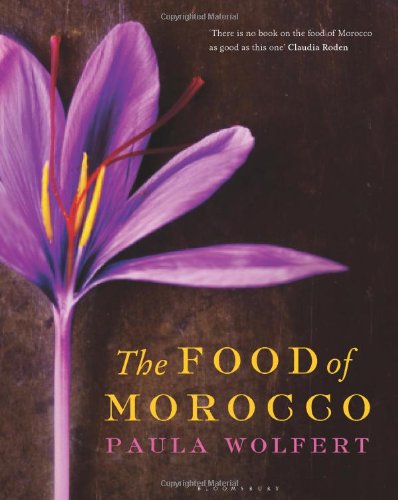
The parents have gone home so I have time to myself again. I got a beautiful new cookbook -The Food of Morocco by Paula Wolfert - and it is just wonderful. I've already made Oudi, a clarified butter made by toasting barley grits - I just used coarse bulgur instead - with dried thyme and then melting butter over the mixture. The bulgur pulls the milk solids away magically, so you can just pour the clarified butter off really easily and it also gives a lovely smoky flavour to the finished product. I will be mostly anointing things with this for the next wee while.

I have not yet made the preserved lemons, the tomato confit, the meat confit or any of the amazing sounding breads - but I will. The range of recipes is incredible, there must be half a dozen versions of the old chicken/lemon/olive tagine classic, plus several very different and interesting looking b'stillas. If I only had one Moroccan cookbook (Ha! I have half a shelf of them!) this would be it.

Tonight I made the Fish Tagine with Creamy Onion Charmoula but - as usual - I made several substitutions, mostly because I had no preserved lemons, coriander or courgettes. Fresh lemons, parsley and fennel were perfectly good under the circumstances. The result was excellent, the husband loved it and it was very easy and good. I just bought myself a great big shallow cast iron casserole from Sainsbury's and it works very well if you don't have a cooking tagine.

The charmoula itself is spectacularly good and simple and I would use again and again on chicken or fish.

Fish Tagine with Onion Charmoula

Onion Charmoula:
1 1/2 tsp ground cumin seeds
2 tsp minced garlic & ginger
2 tsp sea salt
2 tsp hot paprika
1/2 tsp ground black pepper
Pinch of turmeric, fennel and cinnamon
20g parsley
3-4 tbsp olive oil
1 medium onion (coarsely chopped)
Juice of 1 lemon

Tagine
750g firm white fish (I used seabass & monkfish) skinned and cut into 1" chunks
1 punnet small red ripe tomatoes, halved
750g-1kg small potatoes, quartered
1 fennel bulb, sliced thin
1 red bell pepper, peeled, cored, seeded, and diced
Juice of one lemon
1/2 a glass of wine

Garnish:
Juice & rind of a lemon
Olive oil
Chopped parsley

Blitz the Charmoula ingredients until smooth. Divide into two, mix half of it with the fish and marinate for an hour in the fridge.

Boil the potatoes till almost tender, then put them in a shallow casserole or tagine with the fennel, pepper, lemon, wine and the rest of the charmoula. Bring to the boil and then simmer, covered, till tender (about 30 mins).

Spread the marinated fish and the tomatoes over the top and bake uncovered at 200oC for about 15 mins till the fish is cooked. Stir the garnish through and devour. I've adjusted the quantities to suit Irish levels of potato consumption so this needs no accompaniment.

Oudi

2lb butter
40g coarse bulgur
1 tsp dried thyme or oregano

Toast the bulgur and thyme in a dry frying pan for 5 minutes or so on a medium to high heat till it's golden brown and smells smoky. Put in the butter (chopped up into pats) and let it melt completely without browning or stirring. Take off any scum with a kitchen towel. It will magically separate out into golden butter fat and weird porridgy gloop at the bottom of the pan. Paula Wolfert says you should strain it but I just poured the clarified butter off the bulgur mixture and put it in a jar. Tastes amazing and will be a beautiful topping for all things Middle Eastern.


Tuesday, 28 May 2013

Midweek Harira Soup

The tanneries at Fez...smelly, smelly place!
Baby brother and I were lucky enough to spend a week in Fez about 12 years ago. It's the most fabulous city and the food is the best in Morocco. It was the first time either of us had eaten Harira soup (or briouates or b'stilla for that matter) and it was a powerful memory - a chilli hot lamb broth with tomatoes, spices, pulses and pasta.

Apparently there are endless versions of it, which of course gives you a fair bit of latitude when you come to make your own. So armed only with yesterday's lamb broth and some stuff from the larder I set out to make some.

Harira soup

Fez pottery - It'd be rude not to bring some home.
About 2 pints of lamb broth, skimmed of fat, plus the shreds of meat that came off the bone
500g carton of passata
2 cloves garlic
100g cannellini beans, soaked overnight
100g chana dal
1/2 tsp turmeric
2 tsp vegetable stock powder
3 tsp Turkish mixed spice (a cinnamon, gingery, clovy type)
1 chili, chopped
Juice of half a lemon
Large handfull of short vermicelli

Somewhat embarrassingly, I just put everything in a pot apart from the lemon and vermicelli, brought it to the boil and cooked for an hour and a bit. When the beans are tender, put the vermicelli in and when that's cooked (a few minutes), put the lemon juice in and serve.

This was gorgeous and while I know it's not that traditional (the real thing involves hours of faffing about and lots of different bowls of stuff being added at crucial moments) it's very doable on a weeknight and put me right back in the happy place - traipsing round the Mdina with baby brother, duking around the souks and riads and showing him how to haggle (for a really lovely chess set). And of course making him carry my Berber rug and about a brazillion plates all the way home.


Monday, 27 May 2013

A day at the museum & three things to do with a leg of lamb

The Green Coat by John Lavery
We went to the Ulster Museum today to see "Revealed" which is a collection of Government art and much more interesting than it sounds!

It's an exhibition of over 160 pieces which are usually displayed in British government buildings around the world, with artists from the 1500s to the present day including van Dyck, Graham Sutherland, Andy Warhol, Tracey Emin, Martin Creed, Gary Hume, Ed Ruscha and Grayson Perry.

I loved it, but I loved the Sir John Lavery collection even more, while "300 years of Irish landscape" was also worth half an hour of anyone's time. The Ulster Museum has definitely got its act together with the curation and display of its best artwork. Wish I could say the same about the Troubles section which was just plain dire - you could see it had been committeed to death by people who were just too scared to offend, to the extent that it was meaningless and boring.

My husband was pretty appalled by it all, particularly as he does a walking tour in Belfast which deals with the history of terrorism - it's not an easy subject to deal with, but it can't be airbrushed out of our history either.

Anyway, last night I did a leg of lamb as Jamie Oliver recommended, roasted directly on the oven rack with spuds and carrots underneath to catch the juices - and very good it was too. Left with plenty of good meat and some rather more gristly stuff on the bone, I made a lamb broth with the bone and scraggy meat which will go towards Harira soup tomorrow, while the good meat went in a very easy and lovely tagine I make a lot.

Lamb tagine

1lb or so of roast leg of lamb, cubed
1 tablespoon of minced garlic and ginger
Vegetable oil
2 aubergines, cubed
500ml passata
A pepper or two from a jar, sliced
2 tsp turkish style mixed spice
1 tsp cinnamon
Salt & pepper
2 chillies, chopped (or 1 tsp minced chili from a jar)
2 tsp quince paste or membrillo
1 tin of chickpeas

Fry aubergines in 2-3 batches till deep golden brown, drain very well in kitchen towel. Fry ginger & garlic for a minute till it colours, add spices and fry a bit more. Add passata a glug at a time till it's all incorporated. Add chillies and quince paste, stir through. Add a bit of water to make a soupy sauce. Put everything else in and cook on a low simmer for about 30-45 mins.

Sunday, 19 May 2013

Gammon Berets and Tarragon Chicken

Going through Gran's recipe folder is...ummm.....interesting. Liver risotto? Pork crumble? Or how about some "American Mould"? There are some strong themes running through her collection. She has a dozen recipes for Rhubarb & Ginger jam and nearly as many for Chinese Chews (neither of which I have any problem with). She has an obsession for jellied salads (actually I do remember these from when I was small, particularly something made with lime jelly, carrots, coconut, mandarins and marshmallows - I shudder at the memory). And she seems to have had shares in a pork farm.

Really, I've never seen so many pork recipes. I had no idea it was so versatile. I found a solitary fish recipe ("Party Halibut") and the first ingredient was "1/2lb of pork pieces". Really? Pork & fish? What kind of parties was she throwing?

I'm going to have to try a few out, even if they don't sound too prepossessing - after all, she must have kept them for a reason. I'm intrigued by "Gammon Berets" - they sound like the paramilitary wing of the Pork Marketing Board.

I just couldn't face a pork crumble for my dinner tonight, so I went all continental and made Tarragon Chicken instead. This involves industrial quantities of Maille Dijon mustard but it all cooks down to a delicious mild sauce.

Tarragon Chicken

8 small chicken breasts
3 dsp Maille Dijon mustard
1 tsp vegetable stock granules
1 small bunch tarragon, minced
1 small bunch parsley, minced
4 small onions, chopped fine
2 red peppers, sliced fine
2 cloves garlic
1 large glass white wine
1/2pt whipping cream

Fry onion & pepper till soft, add garlic, fry another minute. Add mustard and stock, cook another minute, add white wine, cook 2-3 more minutes. Add cream & herbs, bring to the boil, add chicken breasts and poach for 30 mins.

Saturday, 21 January 2012

Chicken Fajita spice mix

1 tablespoon cornflour
1 tsp Marigold powder OR 1 chicken Oxo cube, crumbled
2 teaspoons chili powder
1 teaspoon salt
1 teaspoon paprika
1 teaspoon sugar
1 teaspoon garlic powder
1/2 teaspoon La Chinata hot smoked paprika
1/2 teaspoon cumin

Put it all in a plastic bag, put 350-500g sliced chicken breast in, shake to coat. Do your usual Chicken Fajita recipe.* There you are, I just saved you a pound.

*If you don't have one, fry 2 onions, finely chopped, on the highest heat in a tablespoon of oil, stirring constantly till browned, then add 2 roasted skinned red peppers, finely sliced, cook for a few more mins. Decant to a bowl, reheat the pan, add a bit more oil, stir fry the chicken for 5 mins, add the onion mix back in, stir a few mins more while you heat up the wraps, serve with grated cheese, sliced tomato, salad leaves, tomato salsa, sour cream/yoghurt, sliced red onions, sliced avocado, whatever.

Thursday, 19 January 2012

Storecupboard Rogan Josh

This is probably the easiest curry in the world. You can get all the ingredients in your supermarket or Asian grocers, there are no tricky techniques, just fry the lamb, stir in the yoghurt, add the spices and forget about it for 2 or 3 hours. It is really authentic tasting and you only need to get hold of two fresh ingredients - two pounds of shoulder lamb (or stewing beef if you prefer) and a pint of Greek yoghurt.

3 tablespoons vegetable oil
2 lbs lamb shoulder cut into 2 inch cubes
1 pint greek yoghurt
1 tsp cinnamon powder
salt to taste
4 tsp bright red paprika mixed with 1 tsp cayenne pepper
11/2 teaspoon powdered ginger
2 tsp garlic powder
2 tsp ground fennel
1/4 teaspoon garam masala

Heat the oil in a large pan until it's smoking and fry the lamb for about 5 minutes. Slowly add the yoghurt a dollop at a time, waiting till it is absorbed before adding the rest of the yoghurt. Add all the other ingredients except the garam masala and stir. Then add 1 pint water and put the lot into a medium sized Le Creuset. Cover and cook for 2-3 hours at 170oC or until the meat is tender, stirring occasionally. Make sure there is always some liquid in the pan. Remove the lid and add garam masala. You should have a thick reddish -brown sauce. If the sauce is too thin boil some of the liquid away,

Thursday, 12 January 2012

Adana kebab

The kebab to beat at Oz Adana, Side.
Ever since my trip to Side last September I've been trying to recreate the fantastically moreish and savoury quality of the Adana kebab. I extensively roadtested this dish in Side and Manavgat and it was by far my favourite of all the kebabs on the menu - spectacularly juicy and lamby without being heavy. It is not a pretty kebab, but by god it's delicious and filling. I tended to eat one of these bad boys for lunch (around £8 including plenty of wine, starters and sides) and then not really need any further sustenance for the day. This helped make Side the cheapest holiday destination EVER.

My sick days have been productively spent re-reading the works of Arto de Haroutunian, but it took me till today to pick up the book that first introduced me to him and Turkish cuisine when I was about fourteen. And there I found the secret ingredient that makes the Adana kebab work.

"A Turkish Cookbook" can still be picked up reasonably cheaply second hand and I'm sure it won't be long till it joins "Middle Eastern Cookery", "Vegetarian Dishes from the Middle East", "Classic Vegetarian Cookery", "The Yogurt Cookbook" and "North African Cookery" in getting a classy hardback reprint. Brilliantly, Arto supplied me with the missing ingredient for my Adana kebab - suet! This gives the requisite juiciness and bounciness without being heavy. I made some this evening and they have exactly the right bounce and bite. Thanks Arto, you're a star.

Adana kebab
500g minced lamb
50g Atora suet
1 onion, grated
1 egg
3 tsp kofte seasoning
1/2 tsp garlic powder
1/2 tsp chilli powder
Salt & pepper

Mix the whole lot together either by hand or in a food processor. Take a walnut sized amount and fry in a griddle pan, flattening the ball out to about a quarter of an inch thickness. Fry both sides for 5-6 mins total or until golden brown. Test for seasoning.

Adjust seasoning as needed then either mould the remainder on to kebab skewers or make lots of little flattened meatballs. Grill or fry and serve with pitta bread, herby green salad, finely sliced red onions and yogurt.

Wednesday, 11 January 2012

A very Sicilian stuffing

Slices of aubergine sizzling....
 Day 3 of the chest infection and I am at a very low ebb. I staggered out for a bottle of Benylin earlier and the effort half killed me, so nothing else for it but to cook very slowly and ponderously.

When I was getting the cough mixture I picked up some sardine fillets on offer and thought I might make Beccafico - these are sardine fillets stuffed with a rich mix of nuts, sultanas, herbs, spices and cheese. The same stuffing can be used for aubergine involtini, or stuffed rolls.

These are both great examples of Sicilian "cucina povera" - the cuisine of the poor. The Sicilians have the most amazing tradition of making exceptionally sophisticated and complex meals from very cheap ingredients. Breadcrumbs, chilli, garlic, fennel, tomatoes, raisins, spices and lemons feature strongly. The original Beccafico were little game birds who fed on figs and which, roasted and stuffed with a sweet and spicy breadcrumb mix, were a great delicacy amongst Sicilian noblemen. The working class used the same stuffing to fill sardines and in doing so created a dish even better than the original. They are like a very rich and exotic version of rollmops and indeed I'm sure you could treat herring the same way.

I spent one of the best holidays of my life in Sicily about ten years ago, touring the island with my new partner. We returned a few years later for our honeymoon in Taormina and the island holds a very special place in my heart. So no surprise that when I'm feeling a bit down and need cheering up with some cheap and sunny food that I turn to Sicily.

Involtini & Beccafico happily co-existing
The involtini are every bit as good as the sardines and both can be cooked together in the same dish if needed (though you may find they need separated if you have a vegetarian to feed). I'm scarfing the lot so I don't care. You can use the same stuffing for chicken or pork escalopes or very thin slices of swordfish or tuna too.


Involtini stuffing
6 slices of bread from a pan loaf made into breadcrumbs
1 onion, finely chopped or grated
25g sultanas
15g each fresh mint, parsley & dill, finely chopped
Either 2 tablespoons of Muhamarah or 1 tbsp toasted pine nuts, 2 cloves of garlic (mashed), 1tsp chilli powder and 1 tsp garam masala or similar mixed together with olive oil to bind.
75g Parmesan or Pecorino
Olive oil
Salt & Pepper


Fry the breadcrumbs,onion, sultanas and herbs in a very little olive oil on a medium heat until the mixture is golden - about 15 minutes. Cool, add other ingredients and use to stuff vegetables, fish or meat of your choice. Sardine fillets just need stuffed and baked for half an hour. Aubergines need cut lengthwise and griddled first, then drained on kitchen towel to remove as much oil as possible. The stuffing recipe above filled nine sardine fillets and two large aubergines cut lengthways into 13 slices. The whole lot packed neatly into a standard lasagne dish. Excess stuffing was sprinkled on the top and it was baked at 180oC for 30 mins. Sprinkle the Beccafico with lemon juice before devouring. These were all extremely delicious and rich and this amount would feed six people as part of a Sicilian menu with some salad, bread and a pasta dish. As it is the two of us will be wading through them for a few days.

Tuesday, 10 January 2012

Go nuts for Arto de Haroutunian

One of the reprinted
books from Amazon
Laid up with a nasty chest infection so nothing to do but mooch around weakly, make tea, read recipe books and watch the racing. I'm rereading my collection of Arto de Haroutunian books - he was an Armenian food writer, architect and artist who wrote about a dozen brilliant cook books before he died suddenly in 1989. You can pick up old second hand copies of his books for a few pence on Amazon Marketplace, though most of them are now being beautifully reprinted, as they should be. His recipes are always simple, authentic and perfectly delicious and he writes really well. Like a Middle Eastern Simon Hopkinson.

I modified his recipe from Complete Arab Cookery (still out of print but highly recommended and easy to come by) for Muhamarah, a chilli and nut dip, to use up some leftover roast pecans I made at Christmas. It is soooo delicious I think I might just eat it up with a heap of toasted pitta bread tonight. He says "It will keep for some time". Hmmmmm. It says on the sides of wineboxes that they last for 3 months once opened, but mine are always done after a week.

Muhamarah
4 tsp chilli pepper
100ml vegetable oil
50ml olive oil
1 tbsp pomegranate syrup or lemon juice
175g walnuts (I used a mix of walnuts and leftover roast pecans)
1tsp ground cumin
1tsp allspice
1 tsp garlic powder
salt and pepper

Blitz the lot with a hand blender or food processor till liquid, refrigerate and use as a dip or kebab sauce. Also known as Garmeroug, according to Arto. I see lots of other versions with sweet red pepper instead of heaps of chilli pepper but I like this very much; it's like a fearsome spicy, garlicky nut butter and would probably benefit from the addition of parsley and mint, at which point I guess it becomes a sort of Turkish pesto and would be a very good dressing for orzo.....let me get back to you on that.

Monday, 9 January 2012

Reader, we kept him

Yogi chillaxing....
So you know we fostered little Yogi the Saluki X, just over Christmas, just to keep him safe from harm and to let him experience a little home life before he went on to a more permanent home?

Well from the moment that little sod set paw in our house he was on a charm offensive the like of which I've never seen before. He made every dog and every person he met fall completely under his spell. He even charmed Mark's mum to the extent that she suggested we keep him! But it was Sheba our snooty Saluki that he charmed most thoroughly. He is her BFF, her partner in crime, her little brother for blaming things on and her big brother for hiding behind. They are quite simply inseparable. And while we initially tried to tell ourselves that having a wee mate might cure her of her worst habits, we now accept that all he does is exacerbate them. But sod it, they are having a great time.

With Sheba, playing "bitey face"
Poor little Yogi had a rotten start in life; he was underweight and terrified of people when he was found. By the time we got him he was still a bit underweight but had decided he loved people; he always has to have at least a paw touching you and ideally prefers full body contact.

We are putting weight on him with the time honoured pilchard porridge diet - cheap, delicious (apparently) and digestible. After 4 weeks his ribs and spine still show a little but his pin bones are covered and he's starting to build up some muscles. Give him a few more months and he'll be the handsomest little pup in Belfast and a fitting escort for Sheba (the Greta Garbo of dogs).

I'll keep you posted on his progress but he's another great example of what brilliant pets sighthounds make. Big thanks to Kildare & West Wicklow SPCA for rescuing him in the first place and to Kildare Animal Foundation and Sighthound Strolls for organising the foster and subsequent adoption.

Pilchard porridge (for putting weight on rescue dogs) 
1 mug porridge oats
1 mug goats milk
1 mug water
3 tinned pilchards ( half a 400g tin)
Grated cheese (optional)
 Make porridge with the first three ingredients, cool a little, mix with pilchards and cheese, cool. Makes 2 breakfasts for a hungry dog to supplement their dinner of Chappie wet & dry.

Saturday, 7 January 2012

DeRaza Iberico Pig Day Sunday 25th March | Catalan Cooking

DeRaza Iberico Pig Day Sunday 25th March | Catalan Cooking:

I soooo want to go on this! You get to make your own morcilla and chorizo out of the most delicious pig in the world and then you get to take it home and eat it!
"Join Catalan Cooking for a day of DeRaza Iberico Pig. The black iberico pig is the reason that Spain makes the best ham in the world and is quite simply the best pork possible to eat...Chef Franz Schinagl will then give us a butchery demo and a chance for you to cut your own pork up yourself.
Ben Mulock will then show how to make iberico hamburger and pork tartare. He will also cook the same cuts of iberico and white pork so you can taste the difference between the two meats. After lunch you make morcilla, sobrasada, chorizo and head cheese, followed by pig trotters paella, iberico pork cheeks in chocolate and eat them altogether accompanied by some matching Spanish wine. You can take home any leftovers and the morcilla. We will send you the chorizo and the sobrasada once it has cured."
£85 is a bargain for this. The only thing putting me off is I am pretty sure I'd never get my piggy swag on the plane home. We need one of these in Belfast or Dublin!

If you live near London you'll want to go to this. It starts at 10.30 am and will be held at Arch 76, Druid Street, SE1. You can get your ticket here.

Thursday, 5 January 2012

Belfast Chilli

When I visit my brothers in Florida they always ask me to make "Irish Lasagne", by which they mean the Lasagne they grew up with, not the filthy American version which uses cottage cheese instead of cheese sauce. My lasagne is a thing of beauty, even if I do say so myself. My chilli is not half bad either, though again not terrifically authentic. But as my brothers will tell you, that's not the point. I'll commit the lasagne to writing at some point, I promise. This is easier to write up and to cook.

250g streaky, unsmoked bacon, chopped
250g Irish mushrooms, sliced
700g lean mince beef
4 onions, finely chopped
2-3 cloves of garlic, minced
Oxo cube
Glass of red wine
3 peppers (the roasted, bottled ones are best), chopped
Dried thyme
Bay leaf
500ml passata
1-2 tbs tomato purée
Tin of kidney beans, drained and rinsed
2tsp cumin
1 tsp coriander
1 tsp chilli powder
1 tsp Harissa paste
 1/2 tsp sweet smoked paprika

 Dry fry the bacon on the highest heat until brown and crispy. This will take about 20 minutes. Remove with a slotted spoon and add the mushrooms to the hot oil left behind. You shouldn't need any more oil. Fry the mushrooms till browned and caramelised, again about 20 minutes. Put the mushrooms and bacon in a heavy casserole. Dry fry the mince on a high heat and when cooked through, drain it in a colander while you fry the onion until translucent on a medium heat. Now throw everything into the casserole and bring to the boil, then simmer for 2-4 hours. Best eaten the next day and often improved with a few tsp of garam masala or similar at the end.

Wednesday, 4 January 2012

Better than Pea & Ham Soup

Two days into the new year Tesco offers little in the way of cut price sustenance. They are absolute beggars for  pushing not-very-special-offers this weather (you know, "50p each or 4 for £3" or as the picture shows, an offer of Indian snacks which was mindbogglingly poor value, yet which managed to clear the shelf.). The place was coming down with them.

I suppose you can't blame them for making a few quid out of silly sods who are so distracted by yellow barkers that they lose the ability to do simple division. The 800g of Taw Valley Cheddar (a very pedestrian cooking cheese which I stockpiled at 30p per 400g just before Christmas!) for £10 made me laugh out loud.

However amidst the highway robbery I did notice lovely big 3lb gammon joints reduced to £3.50 and I picked up a 1lb smoked kielbasa (Polish sausage) for 50p! A pack of soup vegetables and we're ready to go make the sort of soup that will raise the dead (and may need to given the chesty colds flying around).

The killer ingredient for me was using chana dal instead of split peas. Chana dal is a split Bengal chickpea - it's very nutty and tasty but miraculously it keeps its shape when cooked. It's my all time favourite pulse but I have never tried it in soup till now. I'll be doing this again, the flavour was tremendous and I got about 3lb of delicious cooked ham and sausage mix for the freezer out of it too. So this is real feed an army for a fiver stuff! You can get chana dal in the bigger supermarkets or in your local Asian grocers.

Better-than-pea-and-ham-soup Soup
3lb unsmoked gammon
1lb smoked kielbasa
2 onions, peeled and halved
1 pack prepared soup veg, washed (choose one with hardly any carrot but plenty of leek & parsley)
12oz chana dal

Put everything except the dal in a stockpot, cover in water, bring to boil, skim any foam off the surface, simmer for two hours. Remove the meat, liquidise the veg into the stock. Add the dal, boil for 10 mins, simmer for an hour. When the gammon has cooled, remove all skin and fat and chop up the lean meat; chop the kielbasa up too. Return about a pound of it back to the soup. Freeze the rest of the meat, it will make good pie filling, pasta sauce base or could be added to a chicken casserole.

Thursday, 15 December 2011

Cheesy leek & dill pie

Plague house. I've got stomach lurgy, Mark has a dreadful cold, the little foster lurcher has colitis. We were all up till 4am this morning with our various ailments. Time for some serious comfort food. Mark is no fan of meat free recipes but even he said this was the perfect thing for all the things that ailed us; silky, rich, deliciously cheesy and satisfying (also quick and cheap!). I think if leeks were an exotic vegetable we'd eat them a lot more. They are amazing tasting when cooked properly (and when you have a good, grit-free source).

Ingredients
1kg trimmed, washed leeks, chopped into 2" lengths
1oz butter
200g chevre or feta or a mixture
100g mature cheddar
2 tbsp fresh dill, chopped
salt & pepper & nutmeg to taste
Pack ready rolled butter pastry
1 egg, beaten

Method
Preheat oven to 200oC. Simmer leeks for 15 mins, drain very thoroughly. Add butter, cheeses, dill & seasoning. Stir well and cool. Use as filling for pie fashioned from the pastry and sealed with the egg. Bake for around 30 mins. Cool for 10-15 minutes before eating. Return to the sofa and prepare for death, but with a better disposition than before.

Saturday, 3 December 2011

Haddock Plaki

This is another of those gorgeous Greek braised dishes, full of olive oil. Please don't stint, it makes all the difference.
Ingredients
1/2 cup extra virgin olive oil, plus more for drizzling
1 oz butter
Juice of 1 lemon
2 medium onions, finely sliced
coarse salt and freshly ground pepper
1/4 tsp Aleppo pepper
8 cloves garlic, minced
1 teaspoon dried Greek oregano
1 glass white wine
1 cup of chicken stock (or more wine)
4 tomatoes, each cut into 8 pieces
6 medium red potatoes, peeled, thinly sliced and boiled for 2 mins then drained into a colander
4 large skinless haddock fillets

Preheat the oven to 200oC. Heat the olive oil in a medium saucepan over medium-low heat. Add the butter and when it begins to foam, add the onions along with a pinch of salt, stirring to coat well. Cook for 8 to 10 minutes. Raise the heat to medium and cook for 4 to 6 minutes longer, or until the onions are golden brown. Season with salt and pepper to taste. Add the garlic and saute for 1 minute. Add the oregano and stir to combine. Add the wine & lemon juice and bring to a boil. Boil for about 5 minutes, or until the pan is almost dry.

Stir in the tomatoes, the stock, and a pinch of salt. Return to a boil, then lower the heat to a simmer, cook for about 10 minutes, season and remove from the heat and set aside.

Heat a large frying pan to medium-high. When hot, add 2 tablespoons of olive oil. Sear the fish for 1 min each side, only one or 2 at a time. Don't crowd the pan. Drain them on kitchen towel.

Mix the potatoes with about 2/3 of the sauce and spread it into a lasagne dish. Put the fillets on top and pour the remaining sauce over the whole thing. Bake for about 12 minutes, or until the fish is opaque and cooked through.

Monday, 14 November 2011

Bulgur today means mango milkshakes tomorrow...

What a lucky, lucky girl I am! As you know I need my three holidays per year and the most important one in terms of my mental health is definitely the January one. The old Seasonal Affective Disorder hits nobody harder than poor oul Funkyknuckles and the long, hard stretch of dark days between Christmas (yay!) and Birthdays (woo!) is impossible to countenance without a little winter sun to break it up.

Two years ago I spent a surprisingly lovely week in Puerto de la Cruz, Tenerife, but it bore no comparison to last year's holiday in Dahab. It's a little hippy enclave about an hour's drive north of Sharm el Sheikh and it couldn't be more different from the all-inclusive griefhole that Sharm has apparently become. Dahab is a laidback paradise with a lovely lazy bedouin vibe. The thing to do in Dahab is do nothing. And the very best place to do nothing is in the Dahab Paradise Hotel.

Dahab's got its own little rash of AI hotels too but they are well away from the fun, down at the Laguna. The way to go here is to choose a boutique hotel and the best one is the Paradise. I so wanted to go here last year with my aunt but the funds weren't up to it, so we ended up in the Dahab Plaza - a brilliant backpackers motel with free tea, coffee, shisha, wifi and laundry! And of course Emad, the incredibly hospitable hotel manager.

We spent the most wonderfully relaxed week there - listening to George Harrison and Nouvelle Vague, drinking good coffee by day and lovely local wine by night...I read so much, ate so well and met so many lovely, friendly people while all the time the Arab Spring was hotting up in Cairo... I really wanted to bring my husband to Dahab this winter to show him what a beautiful place it was, but the bank manager would not allow me to do it in the style required and I knew that for all the Plaza's charms it's not what you'd call romantic. No point travelling all that way for a week unless you're going to do it right.

This is where my luck came in - the Dahab Paradise Facebook page runs a monthly draw for a week's stay for two, and guess who this month's lucky winner is? I nearly died of excitement when I got the email as I never win anything. My prize is a week's B&B for two with transfers, a bottle of Aida (Egyptian "champagne" and not at all bad!), a day's snorkelling and a candlelit dinner for two in the desert. How fantastic does that sound? The only drawback is that Thomas Cook stopped doing direct charters between Belfast & Sharm last year and the Dublin flights are over €500 each! Skyscanner came to my rescue though with a not-too-complicated bit of hopping around allowing us to leave Belfast and arrive in Sharm on the same day (no mean feat) for half that price. Don't let me down, Easyjet, don't let me down.

Dahab lobster is a good incentive - this was dinner
last January......
So tickets are bought, arrangements are made and I need to make only a few extra economies to ensure complete happiness at the end of January. I'm spending too much on not-very-pleasant tuna sandwiches and actively nasty coffee in our canteen. So in the interests of taste and economy I've switched to karkady (a delicious hibiscus flower tea from Aswan which tastes like spicy Ribena) and bulgur salads, which I never get bored of and which cost half nothing to make. This one features lovely roasted peppers and mint and was so easy to put together and so delicious you'd never think it cost about a pound to make (thanks to a glut of reduced peppers at Tesco) and I got 4 lunches out of it. Every canteen coffee I avoid here will magically transform itself into a mango milkshake in Dahab, while five soggy tuna sarnies equal one lobster dinner. I am powerfully incentivised, as they say.

Bulgur salad with peppers and mint

8oz coarse bulgur
16 fl oz boiling stock (I used Marigold)
2 nests of vermicelli or 1oz orzo (optional but really adds to the texture)
1 tbsp olive oil
small bunch of mint chopped finely
3 large peppers, roasted, skinned and cut up
2 tsp any warm spice mix (I went for a Turkish one this time but Ras el Hanout or Garam Masala would be good too)
1/2tsp aleppo pepper (or other chilli flakes)
1 tsp soy sauce
Salt & pepper to taste.


Fry the vermicelli in the oil on a medium high heat till it colours, then add the bulgur and stir and fry till it's golden brown (about 2-3 more mins). Add the hot stock and cover immediately, turning the heat down to medium. After 10 minutes turn the heat off completely but don't lift the lid! When it's cold toss through all the other ingredients.

Saturday, 22 October 2011

McCartney's Chorizo, Chicken & Bean Stew

Messy but completely delish!
McCartneys of Moira are going a dinger at the moment! First of all their Corned Beef beat 7,500 other entries to become the Great Taste Awards 2011 Supreme Champion, then they were named best Neighbourhood Retailer Butcher of the Year! But we knew that anyway! Their sausages are just the best thing ever and so cheap when you consider how delicious they are. I'd rather have a plate of McCartney's sausages (especially their Italian ones) than a supermarket steak any time.

I made a fantastic (even if I do say so myself) casserole for the weekend from McCartney's chorizo sausages, some chicken fillets, a few tins of beans and a tub of tomato sauce. These sausages aren't as strong as proper chorizo (they are more accurately chorizo flavoured) but they are full of garlic & paprika and perfect for a winter casserole. Incredibly easy and quick to do, this will keep us going through a busy weekend where my husband and I are doing a very accurate impression of ships that pass in the night. You can eat a bowl of it on its own or have some crusty bread and cheese on the side. I make a pretty damn good tomato sauce in industrial quantities once a month and freeze 400g or so batches of it, so that's what I used here. Use your own recipe or a supermarket one if you must, though I can't recommend one cos I think they are all awful.....if you can recommend a good one please let me know!

Chorizo, Chicken & Bean Stew
450g McCartney's Chorizo sausages (If you are not lucky enough to have McCartneys, use a premium pork sausage with a lot of garlic, paprika and spice in the mix) cut into bitesize chunks
450g chicken breast fillets cut into bitesize chunks
1 punnet chestnut mushrooms sliced
1 medium aubergine diced into 1/2" chunks
100g Kabanossi sausage sliced
1 tin chickpeas drained and washed
1 tin flageolet beans drained and washed
3-400g or so of tomato sauce (see recipe below)
1 tsp paprika
Oil for frying

Fry the mushrooms on high until caramelised and golden. Transfer to a large casserole. Do the same thing with the aubergine. Turn the heat down slightly to medium high heat. Fry the chorizo until golden and add to the casserole. Then do the same with the chicken. Put everything else (beans, kabanossi, tomato sauce) into the casserole, bring to the boil then reduce the heat and simmer for 45 mins.

My tomato sauce
2 x 500g cartons of passata (Tesco's 29p one is grand)
2-3 large onions
2-3 peppers (optional)
4-5 cloves of garlic
1 tsp sugar
1 bay leaf
1 tsp dried thyme or a few sprigs of fresh.

Put the peppers, onions & garlic in a food processor and whizz till finely chopped. Fry on a medium high heat till cooked through (30 mins?). Throw everything else in, bring to the boil, simmer on low for an hour or so, remove whole herbs, cool & freeze in batches (this makes 3 batches for me). If you make it without peppers it's stupidly cheap and tastes much better than any dirty oul thing out of a jar.

Saturday, 8 October 2011

Fasolakia ladera (Braised runner beans)

Sheba modelling her new woolly jumper.
It's getting cold, but I don't want to give up on summer foods just yet. There's a great collection of recipes at Symi Visitor and their Fasolakia recipe was just the ticket for using up 1lb of runner beans and feeling a bit more cheerful about having to button little Sheba into her winter woollies for the first time this year.

For those of you who have an interest in such things, Sheba's jumper was made by a lady called Valerie Charman at Greyhounds4me.

This recipe is a ladera, which is just a generic Greek term for vegetables braised in olive oil. You can do any wintery vegetables like carrots, peas, spuds and beans in a ladera and any herbs such as parsley, mint, thyme or dill. Your constants are sauteed onion, tomato, garlic, good olive oil and a looooooooong slow cook. Fasolakia ladera is the perfect dish to remind you of Greek summers but it will also insulate you against a Belfast autumn evening.

Fasolakia Ladera (inspired by Symi Visitor)

1lb runner beans, topped, tailed and cut into 1" chunks.
1 tin flageolet beans, drained and rinsed
2 medium sized potatoes, peeled and cut into chunks.
3-4 ripe tomatoes, diced
2 cloves of garlic, crushed
1 tsp dried thyme
2-3 finely chopped onions,
1 ½ cups olive oil
Salt and pepper

Heat the olive oil in a heavy pan and add the onions. Cook gently until soft, around 20 minutes. Add the runner beans and cook for 5 minutes. Finally add the flageolet beans, potatoes, tomato, garlic, thyme, salt and pepper and a scant mug of water. Simmer over medium heat for 15 mins and then turn right down low until the beans are tender. I took the husband and the dog to the pub for two hours and that was perfect timing. It should all be velvety and unctuous, you are not looking for bite here. Traditionally served warm or at room temperature with feta cheese, bread and a squeeze of lemon to taste. I had mine with pork chops, wheaten bread and overripe brie and it was great.

PS I did this again without the flageolet beans and potatoes and it was extremely good with a cheesy mushroom, ham & tomato omelette!

Sunday, 25 September 2011

Chicken and dill pilaf

Dispose of your
chicken carcass
wisely...in a stock pot
This weekend I found myself hoking round Tesco's reduced section and gathered up some random vegetables, some of which gave me the makings of stock. One thing I did not get to eat on my holidays was my favourite bulgur wheat pilaf - the restaurateurs of Side preferred rice and orzo to coarse bulgur and vermicelli. So I dragged a chicken carcass out of the freezer and made a main course pilaf inspired by Turkey and Tesco's.

Chicken & Dill Pilaf

1 chicken carcass (or a pack of chicken wings)
2 onions, halved
2 carrots, cut into chunks
3 stalks of celery
Handful of parsley
Salt and pepper

Coarse bulgur (or rice if you can't find any)
3-4 stalks of celery, finely chopped
1 onion, finely chopped
1 nest vermicelli (optional)
1 small bunch of dill, chopped

Take the first 6 ingredients, put them in a large pot and cover with water, bring to the boil, skim off the foam, simmer on low for a few hours. Strain the liquid off and measure it (I got 24 fl. oz.). Measure out half that amount of bulgur or rice (e.g. I poured the bulgur into a measuring jug up to the 12 fl.oz. marker). Pull any chicken meat off the carcass and chop finely. Take a large pan with a lid (I used a flat bottomed wok) and fry up the onion and celery in olive oil until it's transparent, then crumble a nest of vermicelli in, stir till the vermicelli is translucent. Add the bulgur and fry for a few more minutes. Then add the hot stock (there will be lots of steam!), add the chicken bits, bring to the boil, cover and turn the heat to medium. Leave without touching for 10 minutes, then turn the heat off and leave it to stand on the ring for 10 minutes (it will sit longer if needed). Do not touch the lid! No peeking, no stirring. Chop the dill finely and stir it through, check for seasoning and then leave covered for another few minutes for the flavour to permeate.

Saturday, 24 September 2011

Old school savoury mince pie recipe

A lot of Saturday evening conversations go like this:

Me: What do you want for dinner?
Him: Lark's tongues in aspic (I exaggerate for comic effect, but you get the idea - some mad concoction you'd never have the ingredients for)
Me: I don't have the makings for that!
Him (sulking): Well why ask then?

Nice to hear him say he wanted an old-fashioned mince pie with boiled spuds and broccoli as I had all the makings to hand (Tesco having Jus-rol ready rolled puff pastry on special offer for a pound), so I made a pie so wonderful he says we have to have it at least once a week from now on. ;)

Best old school mince pie

1 pack of ready rolled puff pastry
350g lean mince beef
4 bacon rashers, finely chopped
1 onion finely chopped
1 small carrot chopped
1/2tsp dried thyme (I used some great stuff I brought back from Turkey)
1 dsp Bisto Best gravy granules
1 tsp HP sauce
Half a mug of water
1 egg

Preheat the oven to 200oC. Heat the frying pan till smoking, dry fry the mince and once it's browned, drain in a sieve to get rid of excess fat. Do the same with the bacon. While they drain, fry the onion & carrot at medium high heat for 5 mins to soften. Return the mince and bacon to the pan along with the Bisto, HP sauce, thyme and water. Cook down until it looks like pie filling (5 minutes?). Let it cool slightly and then make it into whatever style or shape of pie you like. Brush well with beaten egg, bake for 30 mins or so (turn the heat down if it looks like it's getting too brown). Serve with crinkle cut chips and beans for full old school effect. This is a powerful aphrodisiac and will make your husband adore you in a spectacularly demonstrative fashion, so be careful.